Google Maps
Does Geotagging Photos Boost Google Maps Rankings? The Honest Answer for Las Vegas Businesses
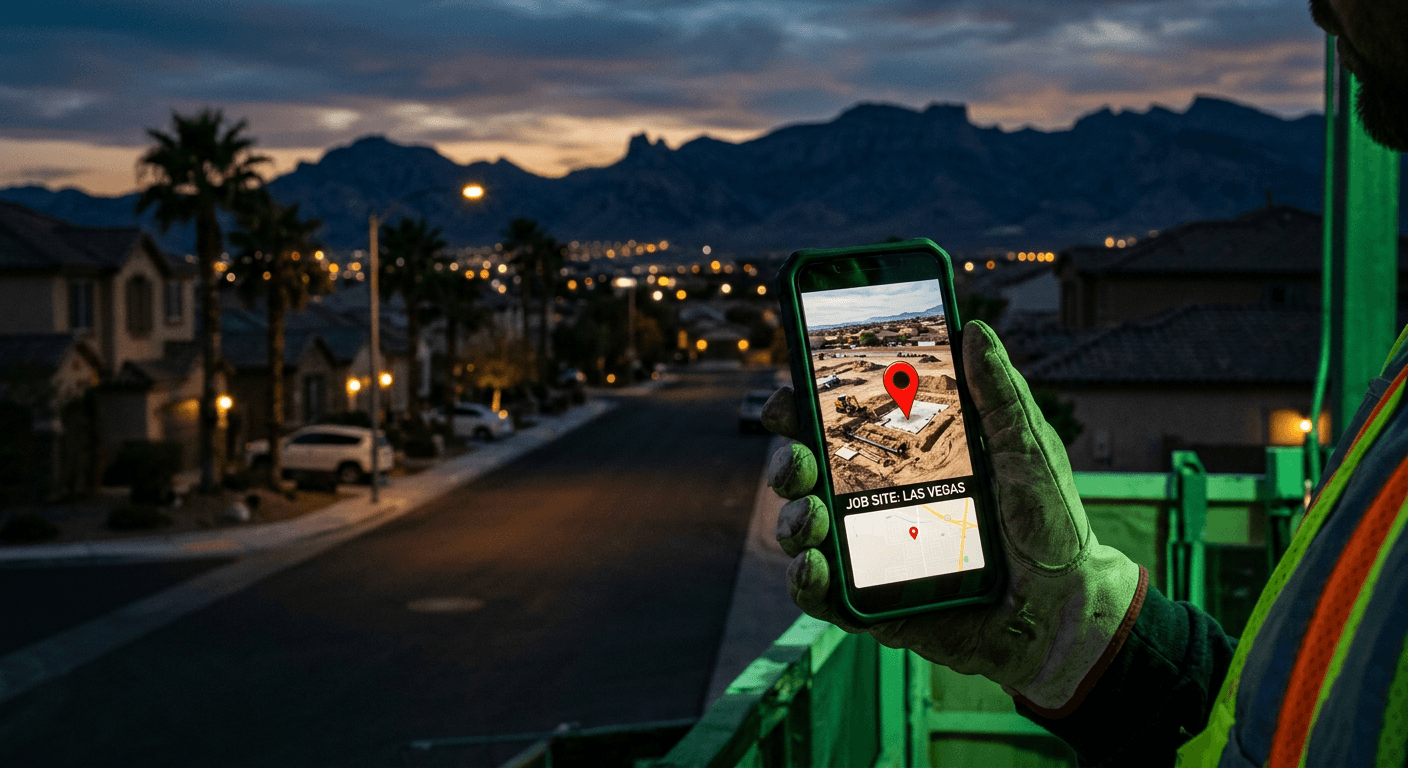
If you have looked into Las Vegas local SEO for more than ten minutes, someone has probably tried to sell you geotagging. The pitch sounds smart: add GPS coordinates to your photos, upload them to Google, and Google will "see" that you work in Summerlin or Henderson and rank you higher there. Some services charge monthly just to do this.
I want to give you the honest version, because your marketing budget is real money. Geotagging is not a ranking trick. But photos absolutely matter, just for different reasons than you have been told.
What geotagging actually is
Every photo your phone takes can carry hidden information called EXIF data. It can include the date, the camera model, and if location is on, the GPS coordinates of where the photo was taken. "Geotagging" just means adding or editing those coordinates, usually with a tool, to match a location you want to rank in.
What happens when you upload to Google
Google re-processes images uploaded to Business Profiles, and in practice most of that hidden EXIF data, including GPS coordinates, does not survive the trip. Google representatives have also said publicly over the years that EXIF location data is not something they use for local ranking. Independent SEO testers have tried it many times, and the results have not shown a reliable ranking boost.
| Claim | Reality |
|---|---|
| Geotagged photos tell Google where you work | Metadata is mostly stripped on upload, and Google says it does not use it for ranking |
| More geotagged photos means higher rankings | Photo count can help engagement, but not because of GPS tags |
| Geotagging lets you rank in a city you are not in | Your verified address remains your center point no matter what |
| Paying monthly for geotagging is a smart investment | That budget is better spent on reviews, content, and real photos |
Quick tip: If a marketing company leads with geotagging as their main strategy, ask them to explain relevance, distance, and prominence. If they cannot, keep looking.
So why do photos matter at all?
Photos matter because people are visual. A customer comparing three roofers in North Las Vegas will look at the pictures. Real photos of real jobs, real trucks, and real faces build trust in seconds. Google has said that businesses with photos tend to get more requests for directions and more website clicks than those without. That engagement is what helps, along with the trust it creates.
Real
Photos of your actual team and work outperform stock images every time
Fresh
A steady trickle of new photos shows customers you are active right now
Clear
Bright, in-focus shots of the finished job sell better than anything you write
Photo habits that actually help
- 1
Take before-and-after shots on every job
Make it part of the routine. Two photos per job, taken in good light, add up to hundreds of trust-building images in a year.
- 2
Show people, not just things
A photo of your tech smiling next to a finished install tells customers who will be knocking on their door. That reduces fear and increases calls.
- 3
Use photos on your website with clear descriptions
On your own site, you control the text around a photo. A caption like "New tankless water heater installed in a Summerlin home" helps people and gives Google readable context.
- 4
Name image files sensibly
Rename "IMG_4821.jpg" to "henderson-backyard-pavers.jpg" before uploading to your website. It is small, but it is clean and descriptive.
- 5
Upload to your Google profile regularly
Add a few new photos each month. Your exterior, interior, team, and recent work. Cover the categories Google shows customers.
What to spend that geotagging budget on instead
- Google Business Profile setup and categoriesTop
- Steady, genuine customer reviewsHigh
- Fast website with real local service pagesHigh
- Local links and mentionsMedium
- Geotagging photosSkip
My recommended priority order for most Las Vegas service businesses, based on client work. Not an official Google weighting.
None of this is flashy. It is just what works. Real photos help because they build trust with real people. GPS coordinates hidden inside a file do not. Spend your time and money on the signals Google has actually told us about, and use photos to win the customer once they find you.